POEM – A Brief Intro for Non-Marketers
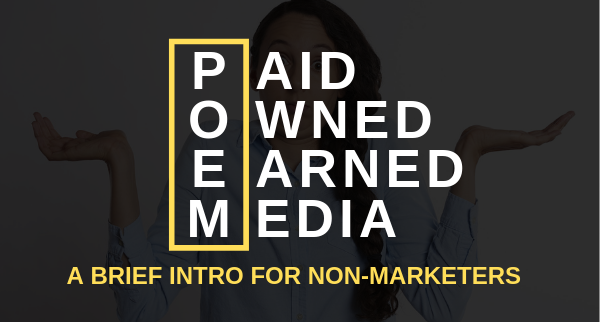
One of the challenges I have to deal with regularly is trying to explain the difference between advertising, branding and PR to my non-marketing colleagues. Sure the lines between editorial content and advertising have been getting blurry with the rise of native advertising but the acronym POEM kind of helps with this. It stands for Paid, Owned & Earned Media.
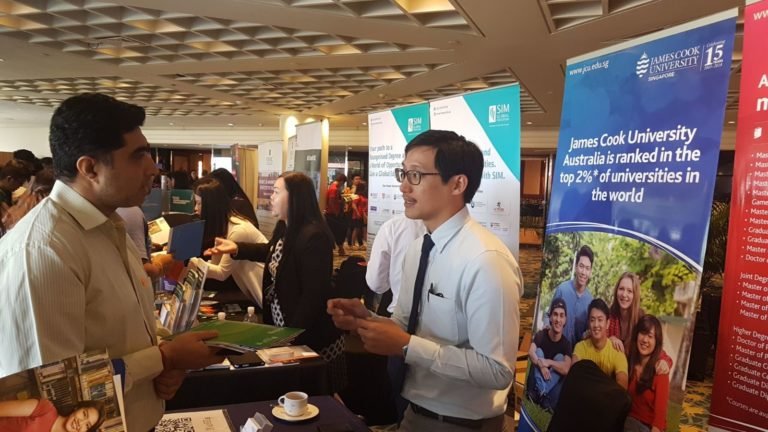
In this article, I will illustrate the difference using my work context.
Paid

This is the marketing most people are familiar with. In essence, it’s advertising which could take the form of print ads in the newspaper, digital banners on websites, sponsored/promoted posts on social media and even search engine marketing (google search ads).

Owned
This is the stuff your brand controls. It includes the company website, corporate blog and social media channels. It’s how you portray the organisation, the tone of voice, the style of posts and even the colours. Sounds kind of like branding doesn’t it?
Here’s where you get to toot your own horn, beat your chest, tell the story where you’re the hero. You have full control because you own the media.
But since it’s you talking about yourself on a platform you own, it’s where there might be the lowest level of credibility and trust.
Earned
You could think of this as PR. It could include mentions in the media, social media shares and even customer reviews. In an era of fake news, earned media can be a game changer. It’s a mention from a third party which is assumed to be neutral, unlike paid ads or company-owned assets which are naturally expected to put the company in a positive light.
This is especially so when your company gets an earned media placement in a trusted media outlet. With each additional mention by a trustworthy third party, your brand gains additional social proof and credibility.
To gain this earned media, you can wait for journalists and the media to learn about you and approach you organically, or you could be proactive and pitch stories to them.
At the Singapore campus of James Cook University, Prof Roberto Dillon and his game museum have been the darlings of the media in in recent months. This has resulted in tons of organic earned media.


A video on Channel 8, an article, a microsite and a video on ChannelNewsAsia, a feature on an influencer’s Youtube channel, a feature in a blog and the coolest one of all, a feature in RICE Media! That right there is probably about $50k worth of media value.

Since this is my owned media platform, here are some examples of my successful attempts at garnering earned media on Berita Harian, Advisory.sg and Facebook to toot my own horn.


What’s The Point of This Again?
What I’m really trying to do is highlight the differences of Paid, Owned and Earned. Naturally there are benefits to each. Control freaks would love paid and owned media because you have total control. You can post whatever you want on your blog and most paid media lets you do pretty much what you want within the publication’s guidelines.
With paid, you can also track results in detail allowing you to calculate return on investment, making it easy to justify to management. There’s also the issue of negative earned media which is just as credible and powerful as its positive counterpart.
“If the only time you get a mention is via paid or owned platforms, you’re simply paying to be in the game and that isn’t sustainable in the long run.”
However, an over-reliance on paid or owned media doesn’t build credibility. If you own the platform or pay to get your name out there, you obviously aren’t going to say negative things about yourself.
As a marketer, I’m heavily focused on the paid side of things. People say everyone is the hero of their own story and I like to think that my team’s effort is what keeps the university afloat by bringing in revenue. However, I’m cognizant of the fact that while my ads may drive traffic and clicks in the short term, demand generation activities need to be supported by PR and branding through owned and earned media as part of a long term strategy to raise awareness and move into the consideration set of prospects.
Here’s my final word on this topic:
If the only time you get a mention is via paid or owned platforms, you’re simply paying to be in the game and that isn’t sustainable in the long run.
Kenneth is an education management professional with a passion for the outdoors, coaching and adult education. He is currently promoting lifelong learning in the Singapore campus of James Cook University.